
How to Choose the Perfect Jacket
How to Choose the Perfect Jacket
A jacket is one of the most versatile and essential pieces in a man’s wardrobe. It not only provides comfort and protection against varying weather but also makes a strong style statement. Choosing the perfect jacket requires balancing functionality, fit, and personal style. By understanding key aspects such as fabric, structure, layering potential, and color, men can select jackets that enhance their wardrobe and adapt to different occasions.
The first consideration is fabric. Jackets come in a variety of materials, each with unique characteristics. Cotton jackets are lightweight, breathable, and perfect for warm or transitional seasons. Wool blends offer warmth and a refined appearance, making them ideal for cooler climates. Linen jackets provide a relaxed and casual look, while synthetic fabrics often offer durability and resistance to wear and moisture. Choosing the right fabric depends on your lifestyle, climate, and the intended purpose of the jacket, whether it’s for casual outings, semi-formal events, or urban environments.
Fit is another crucial factor in selecting the perfect jacket. A well-fitted jacket enhances the wearer’s silhouette and contributes to a polished appearance. Pay attention to the shoulder structure, chest width, and length of the jacket. Shoulders should align naturally with your own, without excess fabric bunching or stretching. The body of the jacket should follow a tailored shape that allows comfort without appearing bulky. The length should complement your frame, typically falling around the hip for casual jackets and slightly longer for more structured or formal pieces. Proper fit ensures not only visual appeal but also freedom of movement, making the jacket functional as well as stylish.
Next, consider the jacket’s style and structure. Different jacket styles suit different occasions and wardrobes. Casual jackets, such as bomber or field jackets, provide a relaxed look that pairs well with simple base layers. Structured jackets, like blazers or tailored outerwear, convey sophistication and can be worn over shirts or light layering pieces. The choice of structure should align with your overall wardrobe needs and personal aesthetic. Minimalist designs with clean lines tend to be more versatile, while jackets with subtle detailing, stitching, or textures can add character without overwhelming an outfit.
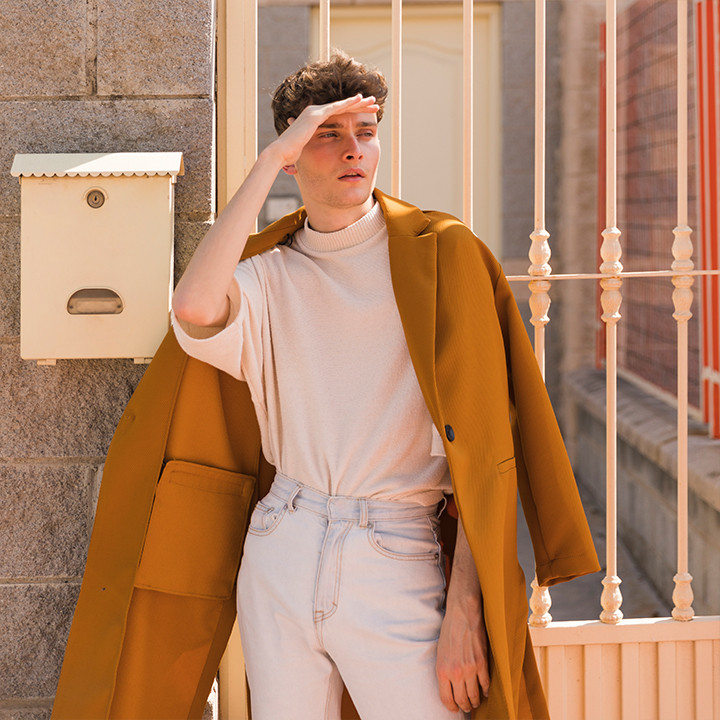
Color selection is another essential aspect. Neutral shades like black, grey, navy, or beige offer versatility, allowing the jacket to pair easily with a variety of garments. Earth tones, such as olive, brown, or tan, create a warm, approachable appearance and complement casual and semi-formal looks. When selecting a color, consider your existing wardrobe to ensure the jacket can integrate seamlessly and provide multiple outfit options. A versatile jacket should serve as a foundational piece that can adapt to different ensembles and occasions.
Layering potential is also important when choosing a jacket. A jacket should work well over base garments like shirts, t-shirts, or light knits, without restricting movement or looking bulky. The ability to layer effectively adds functionality, especially in regions with fluctuating temperatures. Opt for jackets that can accommodate a thin mid-layer, like a light sweater or overshirt, for added warmth and dimension. Layering also allows you to adapt the jacket for both casual and semi-formal settings, making it a practical long-term investment.
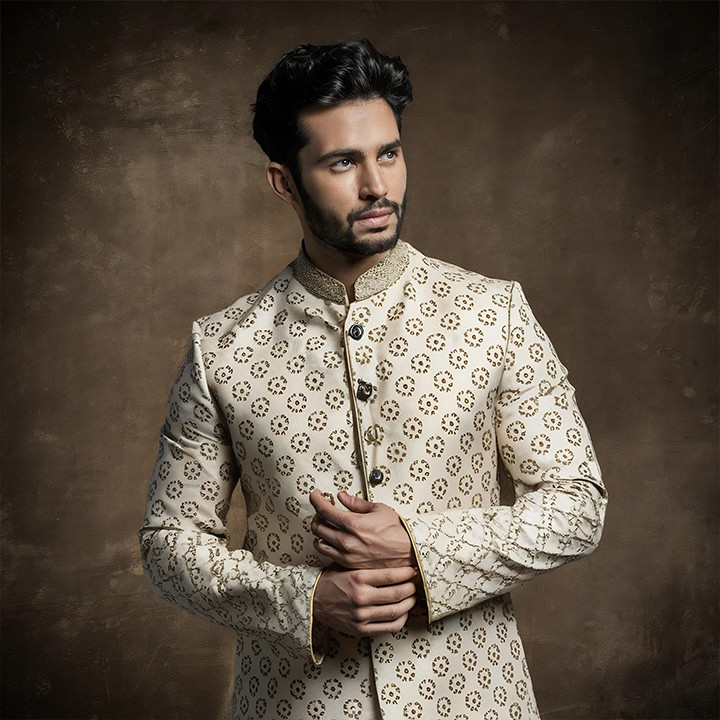
Attention to detailing and finishing further elevates a jacket’s appeal. Simple elements like neat stitching, clean lines, and high-quality fastenings enhance both durability and style. Minimalist designs are often easier to integrate into an existing wardrobe, while subtle design features can add a touch of individuality. The key is balance; details should enhance the garment without compromising the clean aesthetic essential to versatile men’s outerwear.
Finally, comfort should never be overlooked. A jacket should feel natural when worn, allowing for ease of movement and a relaxed appearance. Test how it sits across the shoulders, chest, and arms while standing and moving. Comfort, combined with thoughtful fabric selection, proper fit, and adaptable styling, ensures that the jacket will be worn frequently and remain a reliable component of your wardrobe.
In conclusion, selecting the perfect jacket requires careful consideration of fabric, fit, structure, color, layering potential, and detailing. Understanding these elements allows men to make informed choices that combine style, versatility, and practicality. A well-chosen jacket can elevate everyday outfits, serve multiple purposes, and reflect confidence and personal style. By prioritizing these factors, men can invest in jackets that are functional, durable, and effortlessly stylish, making them indispensable elements of a modern wardrobe.